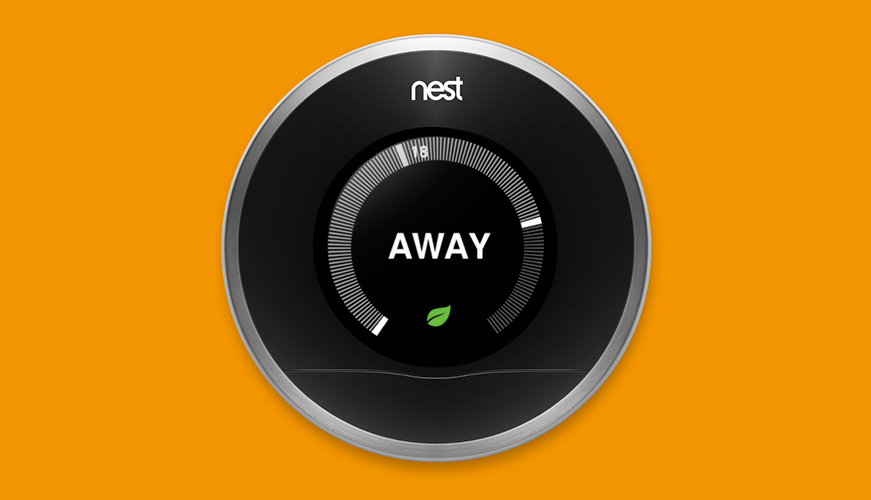
A smart thermostat can help reduce energy costs, but not because it magically makes your heating and cooling system more efficient. The real savings come from reducing wasted energy. By automatically adjusting temperatures when you’re away, asleep, or following a regular schedule, a smart thermostat can help your HVAC system run only when it needs to, which may lead to lower electricity usage and lower monthly bills.
Why This Question Matters
If you’ve shopped for a smart thermostat recently, you’ve probably seen plenty of claims about energy savings. The idea sounds appealing. Replace your old thermostat, connect it to your phone, and start saving money.
But many homeowners wonder whether the savings are actually real or simply another marketing promise.
The honest answer is that smart thermostats can absolutely help reduce energy costs. However, the amount you save depends less on the thermostat itself and more on how your household uses heating and cooling.
To understand why, it helps to look at where most home energy use comes from.
Your HVAC System Is Usually the Biggest Energy User in Your Home
In many homes, heating and cooling account for the largest share of energy consumption.
Think about how often your HVAC system runs throughout the year. During summer, it may spend hours keeping indoor temperatures comfortable. During winter, the heating system takes over. In between, the system cycles on and off based on weather, thermostat settings, and household activity.
Because heating and cooling use so much energy, even small improvements in efficiency or usage habits can have a noticeable impact on monthly utility bills.
That is exactly where smart thermostats can help.
Smart Thermostats Don’t Save Energy. Better Habits Do.
This may sound like a contradiction, but it is one of the most important things homeowners should understand.
A smart thermostat does not reduce electricity use simply because it is smart. What it does is make it easier to avoid wasting energy. Many people cool or heat an empty home without realizing it. The thermostat stays at the same temperature all day, even when everyone is at work, school, or away for the weekend. A smart thermostat helps eliminate some of that waste by automatically adjusting temperatures when full heating or cooling is not necessary.
In other words, the savings come from smarter operation, not from the thermostat itself using less electricity.
How Smart Thermostats Help Reduce Energy Usage
Modern smart thermostats offer several features designed to make energy management easier.
Automatic Scheduling
One of the biggest advantages is scheduling. Instead of manually adjusting temperatures every day, you can create a schedule that aligns with your household’s routine.
For example, the thermostat can automatically:
- Raise the temperature while everyone is at work
- Cool the home before people return
- Adjust settings overnight
- Reduce unnecessary HVAC runtime
The result is often greater comfort with less wasted energy.
Remote Access
Most smart thermostats allow you to control settings from a smartphone or tablet. That means if you leave for vacation and forget to adjust the thermostat, you can make changes from virtually anywhere.
Remote access can also be useful when plans change unexpectedly.
Maybe you are getting home later than expected or returning earlier than planned. A few taps on your phone can help ensure the HVAC system is running only when needed.
Learning Your Habits
Some smart thermostats go a step further by learning household routines over time. They may recognize when people typically leave, return home, or go to sleep and make automatic adjustments based on those patterns.
The goal is not to remove control. The goal is to make efficient temperature management easier.
Energy Usage Insights
Many smart thermostats provide reports showing how much your heating and cooling system is running. This information can help homeowners identify trends and understand why certain months have higher energy usage than others.
Simply seeing the data often encourages better energy habits.
How Much Money Can You Actually Save?
This is the question most homeowners care about.
Unfortunately, there is no universal answer.
Savings depend on factors such as:
- Home size
- Climate
- HVAC efficiency
- Occupancy patterns
- Existing thermostat habits
- Insulation quality
For example, a homeowner who already adjusts temperatures carefully every day may see smaller savings than someone who leaves the thermostat at the same setting around the clock.
Generally speaking, households with predictable schedules often see the greatest benefit because the thermostat can consistently reduce unnecessary heating and cooling.
Smart Thermostats Are Not Just About Saving Money
While lower utility bills often get most of the attention, many homeowners end up appreciating the convenience just as much.
A smart thermostat can make temperature management feel less like a chore. Instead of constantly adjusting settings, the system handles much of the work automatically.
Additional benefits may include:
- Improved comfort
- Better temperature consistency
- Easier vacation management
- Remote troubleshooting
- Greater visibility into energy usage
For many households, those features provide value beyond the potential savings.
When a Smart Thermostat May Not Make a Big Difference
Smart thermostats are helpful, but they are not a cure-all.
If your home has significant air leaks, poor insulation, aging windows, or an inefficient HVAC system, those issues may be responsible for a larger share of energy waste. A thermostat can only control when heating and cooling equipment runs. It cannot fix underlying efficiency problems. That is why the biggest savings often come from combining smart thermostat technology with other home energy improvements.
Getting the Most From a Smart Thermostat
Simply installing a smart thermostat does not guarantee savings.
To maximize the benefits:
- Create realistic schedules
- Use automatic features consistently
- Review energy reports periodically
- Adjust settings when away from home
- Pair the thermostat with good insulation and HVAC maintenance
The more closely the thermostat reflects your actual lifestyle, the more useful it becomes.
Is a Smart Thermostat Worth It?
For many homeowners, the answer is yes.
A smart thermostat can help reduce wasted energy, improve convenience, and provide better visibility into household energy usage. The greatest savings tend to occur when the thermostat is actively helping manage temperatures during periods when nobody is home.
While it may not dramatically reduce every household’s utility bill, it can be a practical tool for improving the way your home uses energy.
A Small Upgrade That Can Make a Difference
Home energy savings are often the result of many small improvements working together.
A smart thermostat is not the only way to reduce electricity usage, but it is one of the simplest upgrades available. By helping homeowners manage heating and cooling more effectively, it can contribute to lower energy use, greater comfort, and better control over monthly utility costs.