Making your home more energy efficient does not require a major renovation or a complete lifestyle change. In most homes, a handful of improvements can have a much bigger impact than dozens of small energy saving habits. The key is knowing where your home is wasting energy and focusing your time and money on the upgrades that deliver the greatest return in comfort, efficiency, and long term savings.
Most Homes Waste Energy in the Same Places
When homeowners think about reducing energy use, they often start with the obvious things. Turning off lights. Unplugging chargers. Running the dishwasher less often. Those habits can help, but they are rarely where the biggest savings come from.
Most homes lose energy through air leaks, poor insulation, aging equipment, inefficient heating and cooling systems, and outdated technology. The good news is that once you identify those areas, many improvements are straightforward and can continue paying off for years.
Let’s start with the upgrades that matter most.
1. Start With a Home Energy Assessment
Before spending money on improvements, it helps to understand where your home is actually losing energy.
A home energy assessment works much like a health checkup. Instead of measuring your blood pressure, it looks for areas where energy is being wasted.
An assessment may identify:
- Air leaks
- Insulation deficiencies
- HVAC inefficiencies
- Drafty windows and doors
- Appliances using more energy than expected
Many homeowners are surprised by the results. What feels like an aging air conditioner might actually be an insulation problem. What seems like poor airflow could be caused by hidden leaks in the home.
Starting with an assessment allows you to prioritize projects based on actual opportunities instead of guesswork.
2. Seal Air Leaks Before Spending Money on Bigger Upgrades
Imagine trying to cool your home while leaving a window slightly open all day. That is essentially what happens when air leaks exist around your home.
Small gaps around windows, doors, attic openings, plumbing penetrations, and electrical openings allow conditioned air to escape. At the same time, outdoor air finds its way inside.
Individually, these leaks may seem minor. Together, they can force your heating and cooling system to run much longer than necessary.
Common problem areas include:
- Door frames
- Window frames
- Attic access panels
- Recessed lighting
- Utility penetrations
Air sealing is not a glamorous project, but it is often one of the most cost effective improvements a homeowner can make.
3. Add Insulation Where It Matters Most
Insulation does not get much attention because you rarely see it. But it plays a major role in how comfortable and efficient your home feels. Think of insulation as a protective barrier between your living space and outdoor temperatures.
Without enough insulation, heat moves into your home more easily during summer and escapes more quickly during winter.
The attic is often the best place to start. During hot weather, attic temperatures can climb well above outdoor temperatures, forcing your air conditioner to work harder to keep the home comfortable.
Adding insulation can help:
- Reduce heating and cooling costs
- Improve indoor comfort
- Minimize temperature swings between rooms
- Reduce strain on HVAC equipment
Many homeowners notice the difference almost immediately.
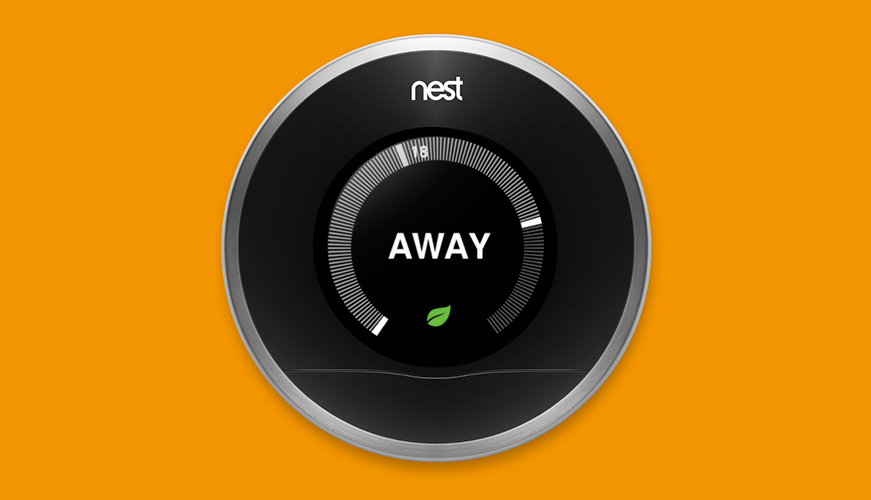
4. Install a Smart Thermostat
A smart thermostat is one of the simplest ways to reduce unnecessary energy use without sacrificing comfort. Many homes waste energy simply because heating and cooling systems run when nobody is home. A smart thermostat helps automate those decisions.
Depending on the model, it may:
- Learn your schedule
- Adjust temperatures automatically
- Provide usage insights
- Allow remote control through a mobile app
The biggest benefit is convenience. Instead of constantly adjusting settings, the thermostat does much of the work for you.
Over time, those small adjustments can add up to meaningful energy savings.
5. Keep Your HVAC System Running Efficiently
Your heating and cooling system is likely the largest energy user in your home. When it is running efficiently, everything else becomes easier. When it is neglected, electricity usage often rises quickly.
Routine maintenance can include:
- Replacing air filters
- Cleaning coils
- Checking airflow
- Inspecting ductwork
- Scheduling annual tune ups
A dirty filter may seem insignificant, but restricted airflow forces the system to work harder than necessary.
Sometimes the most effective energy upgrade is simply taking better care of the equipment you already own.
6. Replace Old Light Bulbs With LEDs
Lighting has become much more efficient over the past decade. If your home still contains older incandescent bulbs, switching to LED lighting is one of the easiest upgrades available.
LED bulbs:
- Use less electricity
- Last significantly longer
- Produce less heat
- Require less maintenance
While lighting may not represent the largest share of your electricity bill, upgrading throughout the home can produce noticeable savings over time.
7. Upgrade Aging Appliances When the Time Is Right
Appliances eventually wear out, and older models often use much more energy than modern replacements. That does not mean you should immediately replace every appliance in your house.
Instead, focus on major appliances when they reach the end of their useful life.
The biggest opportunities often include:
- Refrigerators
- Freezers
- Water heaters
- Clothes washers
- Dryers
- Dishwashers
Newer equipment is typically designed with energy efficiency in mind, which can help reduce ongoing operating costs for years to come.
8. Eliminate Energy Vampires Around the House
Some devices continue using electricity even when they appear to be turned off. These are often called energy vampires.
Common examples include:
- Phone chargers
- Gaming consoles
- Streaming devices
- Printers
- Coffee makers
- Smart speakers
Each device may use only a small amount of electricity, but when dozens of devices remain plugged in around the clock, the impact adds up.
Smart power strips can help reduce standby power usage by automatically cutting power to devices that are not actively being used.
9. Use Window Coverings to Control Heat Gain
Windows can be one of the biggest sources of unwanted heat during summer.
If you’ve ever stood next to a sun drenched window in the afternoon, you’ve felt this effect firsthand.
Strategic use of window coverings can help reduce solar heat gain and ease the burden on your cooling system.
During warmer months:
- Close blinds during peak sunlight hours
- Use blackout curtains in heavily exposed rooms
- Keep shades lowered on west facing windows
These simple habits can help maintain more consistent indoor temperatures while reducing cooling costs.
10. Track Your Energy Usage Like You Track Your Budget
Most people monitor their bank accounts more closely than their electricity usage.
That is understandable, but your energy habits often tell an important story.
Monitoring electricity usage can help you:
- Identify unusual spikes
- Spot equipment problems
- Understand seasonal trends
- Measure the impact of efficiency improvements
The more familiar you become with your energy usage, the easier it becomes to make informed decisions about future upgrades.
Which Upgrades Deliver the Biggest Return?
Not every project produces the same results.
For most homeowners, the largest opportunities typically come from:
- Air sealing
- Insulation improvements
- HVAC maintenance and upgrades
- Smart thermostat installation
- Major appliance replacement when necessary
These improvements target the systems that use the most energy, which is why they often provide the greatest return on investment.
Making Your Home More Efficient One Step at a Time
Improving energy efficiency is not about making every upgrade at once.
Most homeowners see the best results by tackling projects gradually. Start with the areas where energy is being wasted most, then build from there.
Over time, even modest improvements can lead to lower electricity usage, more consistent comfort, and greater confidence that your home is operating as efficiently as possible.


