Summer electricity bills often rise because air conditioners run longer, refrigerators work harder, and households generally use more energy during hot weather. The good news is that lowering your electricity bill does not always require major home upgrades. Small changes to thermostat settings, cooling habits, insulation, and daily energy use can help reduce electricity costs while keeping your home comfortable during the hottest months of the year.
Why Electricity Bills Rise During Summer
For many households, air conditioning is the largest contributor to summer electricity usage.
When outdoor temperatures climb:
- Air conditioners run longer cycles
- Cooling systems work harder to maintain indoor temperatures
- Refrigerators and freezers use more energy
- Peak electricity demand increases across the grid
In states with long periods of extreme heat, cooling costs can account for a large portion of the monthly electricity bill.
Understanding where energy is being used is the first step toward lowering costs.
1. Adjust Your Thermostat a Few Degrees Higher
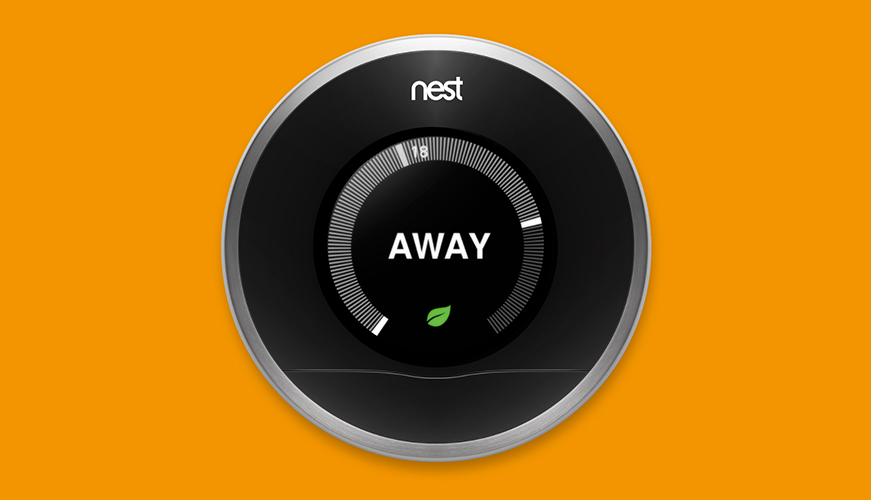
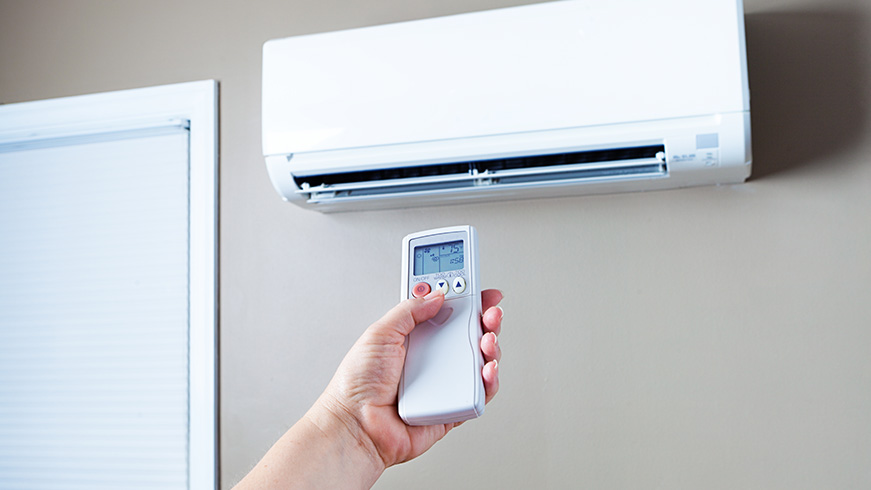
One of the easiest ways to lower summer electricity costs is adjusting your thermostat slightly higher. Many homeowners are surprised by how much energy can be saved from even small temperature changes.
Consider:
- Raising the thermostat while away from home
- Using a programmable thermostat schedule
- Increasing the temperature by 2 to 3 degrees when possible
The larger the difference between indoor and outdoor temperatures, the harder your cooling system must work. A small adjustment can reduce strain on your air conditioner without creating a major comfort difference.
2. Use Ceiling Fans the Right Way
Ceiling fans do not lower room temperature, but they help people feel cooler by improving air movement.
During summer:
- Run ceiling fans in a counterclockwise direction
- Use fans only in occupied rooms
- Combine fans with moderate thermostat increases
Fans use significantly less electricity than air conditioning systems. When paired with smart thermostat adjustments, they can help reduce cooling costs throughout the summer.
3. Keep Sunlight From Heating Your Home
Direct sunlight can dramatically increase indoor temperatures.
During the hottest parts of the day:
- Close blinds and curtains
- Use blackout curtains in sun facing rooms
- Keep shades lowered on west facing windows
Blocking solar heat before it enters the home reduces the workload placed on your air conditioner. This is especially helpful during afternoon peak heat hours.
4. Replace or Clean HVAC Air Filters
A dirty air filter restricts airflow and forces your cooling system to work harder. Check filters regularly during heavy summer usage.
Benefits of clean filters include:
- Better airflow
- Improved cooling performance
- Lower energy consumption
- Reduced strain on HVAC equipment
This is one of the simplest maintenance tasks homeowners can perform.
5. Seal Air Leaks Around Doors and Windows
Many homes lose cooled air through small gaps and cracks.
Common leak locations include:
- Window frames
- Door frames
- Attic access points
- Utility penetrations
When cool air escapes, your air conditioner must run longer to maintain indoor temperatures. Weather stripping and caulking can help reduce energy waste and improve indoor comfort.
6. Avoid Using Heat Producing Appliances During Peak Heat
Certain appliances create significant indoor heat.
Examples include:
- Ovens
- Dryers
- Dishwashers
Running these appliances during the hottest part of the day forces your cooling system to remove additional heat.
Whenever possible:
- Cook earlier in the morning
- Use outdoor grills
- Run dishwashers at night
- Do laundry during cooler hours
Reducing indoor heat generation can help lower cooling costs.
7. Unplug Electronics You Are Not Using
Many electronics continue drawing power even when turned off.
Common examples include:
- Chargers
- Gaming consoles
- Streaming devices
- Printers
- Small kitchen appliances
These “phantom loads” may seem small individually, but they add up over time. Smart power strips can help reduce unnecessary electricity usage.
8. Schedule an HVAC Tune Up
Air conditioning systems operate most efficiently when properly maintained.
A professional inspection can help identify:
- Refrigerant issues
- Airflow restrictions
- Dirty coils
- Worn components
Preventive maintenance may improve efficiency and reduce the likelihood of expensive repairs during peak summer demand. A well maintained cooling system generally performs better while using less energy.
Additional Ways to Lower Summer Electricity Costs
The biggest savings often come from combining multiple strategies.
Other helpful energy saving habits include:
- Using LED light bulbs
- Running appliances during off peak hours when available
- Keeping vents clear of furniture
- Using smart thermostats
- Improving attic insulation
Small improvements can add up across an entire cooling season.
How Your Electricity Plan Can Affect Summer Bills
Energy usage is only one part of the equation. Your electricity plan can also affect what you pay during high usage months.
Before summer arrives, review:
- Your plan’s contract summary (in Texas, your Electricity Facts Label)
- Average pricing at different usage levels
- Bill credits
- Monthly fees
- Contract expiration dates
Understanding your plan structure can help prevent unexpected costs when temperatures rise.
Which Summer Energy Saving Tips Make the Biggest Difference?
For most households, the largest opportunities come from:
- Managing thermostat settings
- Improving HVAC efficiency
- Reducing solar heat gain
- Sealing air leaks
- Reducing unnecessary electricity usage
Because air conditioning represents such a large share of summer electricity consumption, cooling related improvements often deliver the most noticeable savings.
Common Summer Energy Mistakes
Many homeowners unintentionally increase their electricity costs by:
- Setting thermostats extremely low
- Ignoring HVAC maintenance
- Leaving blinds open all day
- Running heat producing appliances during peak heat
- Forgetting to replace air filters
Avoiding these common habits can help improve both comfort and efficiency.
Keeping Comfort and Savings Balanced
Lowering your electricity bill does not mean turning your home into a sauna.
The most effective approach is usually a combination of:
- Better cooling habits
- Routine maintenance
- Smart thermostat management
- Home efficiency improvements
A few small adjustments can often make a noticeable difference when summer temperatures stay high for weeks at a time.