Comparing Electricity Plan Types in Texas: Which Option Is Right for You?
Texas electricity plans usually fall into a few main categories: fixed rate, variable rate, month-to-month, prepaid, and renewable energy plans. The right option depends on what matters most to you, such as steady bills, flexibility, lower upfront costs, or 100% renewable energy. Knowing how each plan works can help you choose with more confidence.
Why Electricity Plan Types Matter
Shopping for electricity in Texas can get confusing fast. You enter your ZIP code, see a long list of plans, and suddenly every option starts to look the same.
But the type of plan matters.
A low advertised rate may look great at first, but the details behind the plan can affect your monthly bill, contract terms, fees, and flexibility. Some plans are built for steady pricing. Others are better for short term needs. Some support renewable energy. Others focus on lower startup costs or pay as you go service.
Before comparing rates, it helps to understand what kind of plan you are looking at.
Quick Guide: Which Electricity Plan Fits Your Needs?
If you want more predictable bills, a fixed rate plan is usually worth considering. If you need flexibility and do not want a long contract, a month-to-month plan may be a better fit. If you want to avoid a credit check, a prepaid plan may make sense. If you want lower upfront costs, look for no deposit options. If renewable energy matters to you, choose a plan backed by renewable electricity.
There is no single best plan for every Texas home. The best choice depends on how you live, how long you plan to stay in your home, and how much pricing certainty you want.
Fixed Rate Plans: Best for Predictable Bills
A fixed rate electricity plan locks in your energy rate for the length of your contract. Common terms include 12, 24, or 36 months.
That does not mean your total bill will be the exact same every month. Your bill can still change based on how much electricity you use, TDU charges, taxes, and other fees. But the energy rate from your provider stays the same during the contract term.
Fixed rate plans are popular because they make budgeting easier. If electricity market prices rise, your energy rate is protected for the length of your agreement.
The tradeoff is commitment. If you cancel before your contract ends, an early termination fee may apply unless you qualify for an exception.
Fixed rate plans are often a good fit for homeowners, long term renters, and anyone who prefers steady pricing over flexibility.
Variable Rate Plans: More Flexibility, Less Predictability
With a variable rate plan, your electricity rate can change from month-to-month.
Sometimes that can work in your favor. If market prices go down, your rate may go down too. But the opposite can also happen. During periods of high demand, extreme weather, or market volatility, variable rates can rise.
Variable rate plans often come with fewer contract restrictions, which can be helpful if you do not want to be locked into a long term agreement. But they can make monthly bills harder to predict.
This type of plan may work for someone who values flexibility and is comfortable watching rates closely. If you want stable monthly pricing, a variable rate plan is usually not the safest choice.
Month-to-Month Plans: Freedom Without a Long Commitment
A month-to-month electricity plan is typically built for flexibility. Instead of signing a long contract, you keep service on a monthly basis.
These plans can be useful if you are moving soon, staying somewhere temporarily, or do not want to commit to a longer term plan.
The catch is that many month-to-month plans use variable pricing. That means your rate may change from one billing cycle to the next. You may have the freedom to leave, but you may also give up some price certainty.
Month to month plans can be a smart short term option. For long term use, compare the pricing carefully before deciding.
Prepaid Plans: Pay Before You Use Electricity
A prepaid electricity plan works a little differently from a traditional monthly bill.
Instead of using electricity first and paying later, you add money to your account before you use the electricity. As you use power, the cost comes out of your balance.
Prepaid plans may appeal to customers who want more control over day to day usage or who want to avoid a traditional credit check. They can also make it easier to see how much electricity you are using in near real time.
The downside is that you need to keep track of your balance. If the balance gets too low and is not replenished, service can be interrupted.
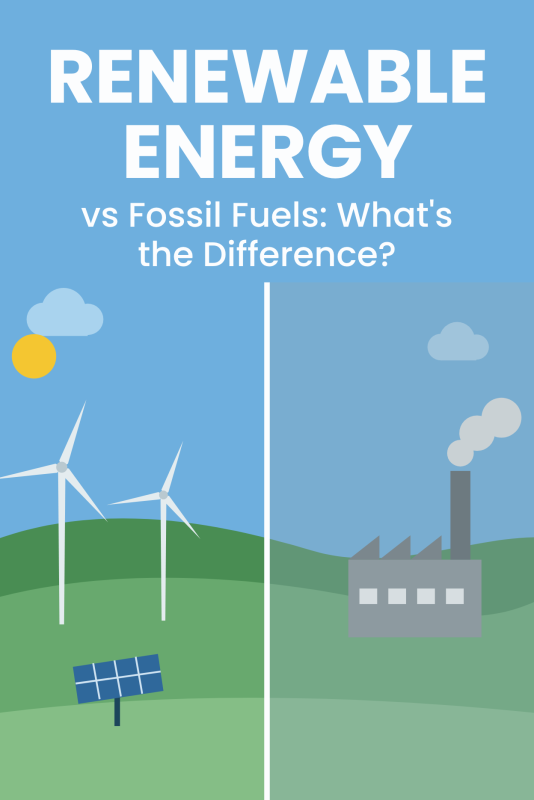
Renewable Energy Plans: Supporting Wind and Solar Power
Renewable energy plans are a little different from the other plan types on this list.
Fixed rate, variable rate, and month-to-month plans describe how pricing works. Renewable energy describes how the electricity is sourced or matched. A renewable electricity plan may be fixed rate, variable rate, or month-to-month depending on the provider and plan details.
With Smart Energy, 100% renewable energy is included in all plans. That means customers do not have to choose between a standard plan and a renewable option. Cleaner electricity support is built in.
Renewable plans are a good fit for customers who want their electricity use to support wind, solar, or other renewable energy sources.
No Deposit Plans and Other Plan Features
Some electricity offers are described by features instead of plan types.
For example, a no deposit plan means eligible customers can start service without paying a traditional security deposit. A no credit check option may help customers who want to avoid a credit based approval process.
You may also see plans with bill credits, usage requirements, free nights, or weekend pricing. These features can sound appealing, but the details matter. Always check the Electricity Facts Label before enrolling. Look at the rate at different usage levels, monthly fees, contract length, and any conditions tied to the offer.
A plan feature should make the plan easier to understand, not harder.
What Happens When Your Electricity Plan Ends?
When a fixed term electricity plan ends, your provider will usually send renewal notices before the contract expiration date. This is an important time to review your options. If you do nothing, your account may move to a different rate or a month-to-month plan. That new rate may be higher than what you had before.
In Texas, customers can usually switch providers without an early termination fee if the new service is scheduled no earlier than 14 days before the current contract ends.
That makes the final weeks of your contract a smart time to compare plans and avoid rolling into a rate you did not choose.
Questions to Ask Before Choosing a Plan
Before you enroll, ask yourself:
- How long do I plan to stay at this address?
- Do I want steady pricing or more flexibility?
- Am I comfortable signing a contract?
- Is renewable energy important to me?
- Do I want to avoid a deposit?
- Could my usage change a lot during summer or winter?
- Have I reviewed the Electricity Facts Label?
These questions can help you move beyond the advertised rate and choose a plan that fits your real life.
How to Choose the Right Electricity Plan for Your Home
The right Texas electricity plan is not always the one with the lowest number on the screen. It is the one that fits your home, your habits, and your comfort level with price changes.
If you want steady pricing, start with fixed rate plans. If you need flexibility, look at month-to-month options. If you want pay as you go service, review prepaid plans carefully. If renewable energy matters to you, make sure the plan supports renewable electricity.
Smart Energy keeps things simple by including 100% renewable energy in every plan. You can compare your options knowing cleaner energy is already part of the package.
FAQ
What is the most common type of electricity plan in Texas?
Fixed rate plans are among the most common because they give customers a set energy rate for the full contract term. That makes them popular with homeowners and renters who want more predictable bills.
Is a fixed rate plan better than a variable rate plan?
It depends on what you value most. A fixed rate plan gives you more price stability. A variable rate plan may offer more flexibility, but your rate can change from month-to-month.
Are renewable energy plans more expensive?
Not always. Renewable electricity plans can be priced competitively with other electricity plans. With Smart Energy, 100% renewable energy is included in all plans.
What is the difference between prepaid and no deposit electricity?
A prepaid plan means you pay before you use electricity. A no deposit plan means eligible customers can start service without paying a traditional security deposit. They are related in some cases, but they are not the same thing.
What should I check before signing up for an electricity plan?
Review the Electricity Facts Label, contract length, energy rate, monthly fees, early termination fee, renewable energy details, and any usage based conditions.